A venture capital database is a searchable list of VC firms and funds with details on what they invest in, how much they write per check and who to contact. Founders use one to build an investor list, VCs use one to track competing funds, and LPs use one to find new managers.
The problem is that most databases are built around companies, with investors added as a side feature. That means a lot of the firms you find have not written a check in years. This guide compares six venture capital databases that focus on investors, explains which ones are free, and shows how to find VC firms without paying anything at all.
One of the databases on this list is the EverythingStartups New VC Funds Database, which we build ourselves. We describe it with the same limits we apply to every other tool here.
Best Venture Capital Databases Compared
Prices change often, so check each pricing page before you commit.
What to Look for in a Venture Capital Database
Before you pay for anything, check three things.
Recent activity. A firm that closed its last fund in 2019 is probably not writing new checks. Look for databases that show when each fund was announced or closed, so you can focus on firms that still have money to invest.
The right filters. You should be able to filter by stage, sector, region and check size at the same time. If you can only search by name or city, you will spend hours building a list that a good filter would give you in minutes.
Contact details you can act on. Some databases give you a partner's email, some give you a warm introduction path, and some only give you the firm's website. Decide which one you need before you choose.
The 6 Best Venture Capital Databases
1. EverythingStartups: Best Venture Capital Funds Database for New Funds
The EverythingStartups New VC Funds Database tracks venture capital funds soon after they are announced or closed, and new funds are added every week. A firm that has just raised a fund usually spends the next few years investing it, which makes recent launches the best place to look for investors who are ready to write checks.
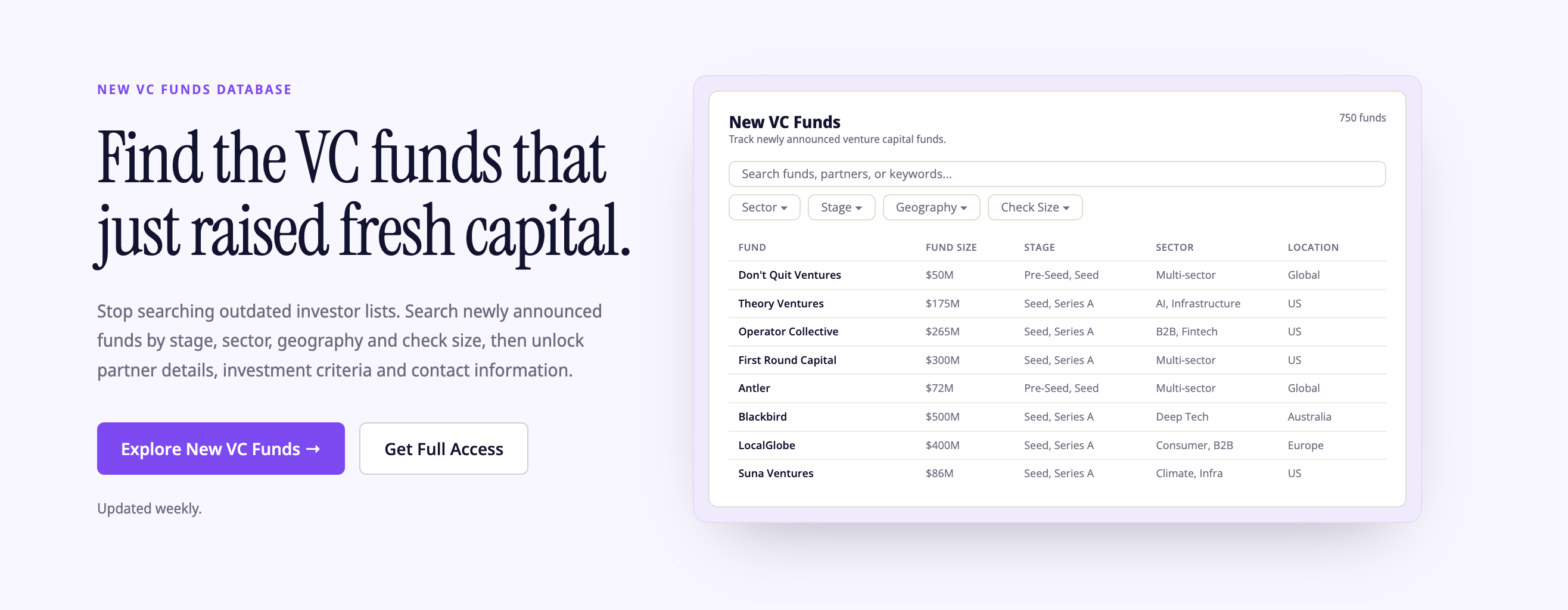
You can filter funds by focus area, such as AI, fintech, climate or biotech, by region, by stage from pre-seed to growth, and by check size from $10K to $20M. Paying members open a full profile for each fund with the investment thesis, the team, LP information where it has been disclosed, portfolio history and partner contact details, and can save funds to a shortlist.
- Best for: founders who want to pitch funds early in their deployment cycle, and LPs and VCs tracking emerging managers.
- Free option: a preview of the newest funds, plus the free EverythingStartups newsletter, which sends the latest funds every Friday.
- Pricing: All Access costs $19.99 per month or $168 per year.
- Limits: it covers new funds only, so it will not replace a directory of every investor that has ever existed.
2. OpenVC: Best Free Venture Capital Database for First-Time Founders
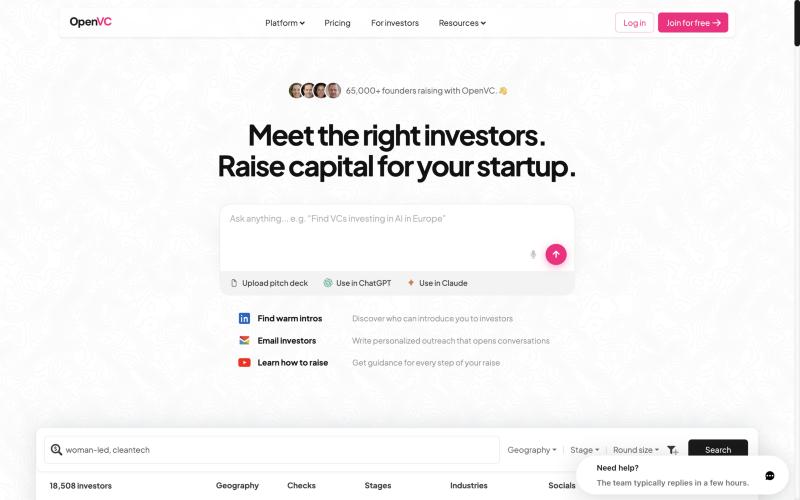
OpenVC is a free investor directory with more than 16,000 VCs and angels. You can filter by geography, stage, industry and check size, and many investors on the platform accept pitches through a standard submission form, so you can send your deck without hunting for an email address.
- Best for: founders building their first investor list on no budget.
- Free option: the core directory, CRM and deck submission are free.
- Limits: check size and activity fields are partly self-reported, so confirm them on each firm's website, and reply rates from form submissions can be low.
3. Signal by NFX: Best Free Tool for Warm Introductions
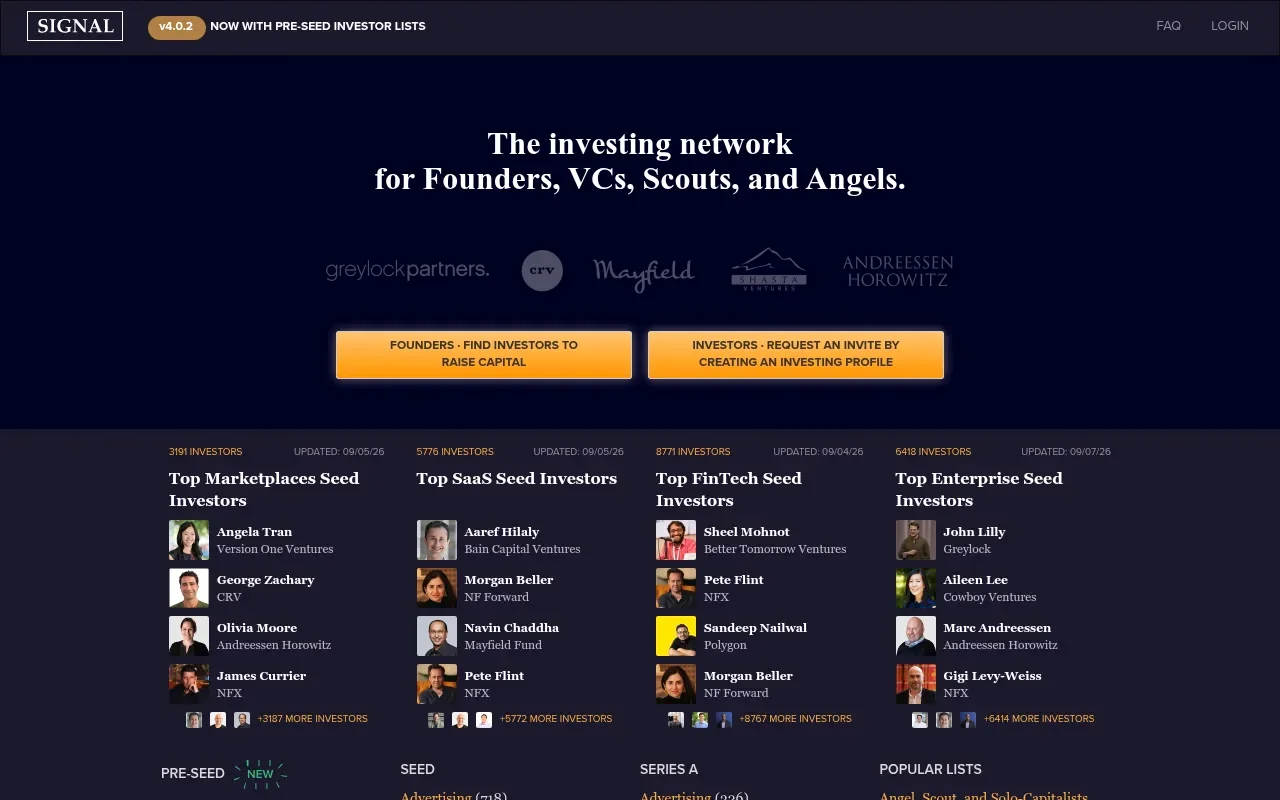
Signal by NFX is a free investor search tool built by the VC firm NFX. You can search investors by sector and stage, see which founders and investors in your network are connected to them, and connect Gmail to map introduction paths.
- Best for: pre-seed and seed founders who want a warm introduction before sending cold emails.
- Free option: the whole product is free.
- Limits: the data is community-driven, so it works poorly for fund-level research or for finding newly launched funds.
4. Crunchbase Pro: Best for Investor History Alongside Company Data
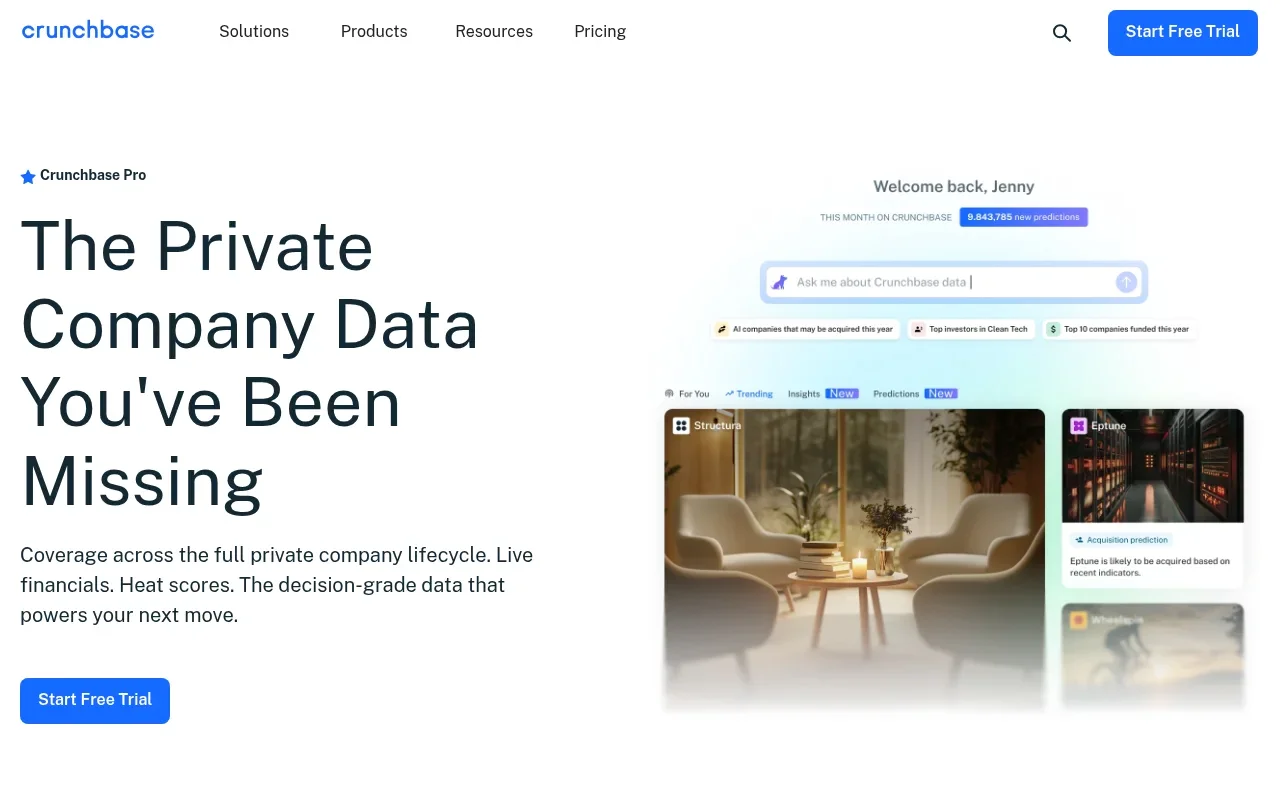
Crunchbase is best known as a company database, but every company record lists its investors, which makes it useful for seeing who backed your competitors. Pro users can save searches, set alerts and export up to 2,000 rows a month.
- Best for: researching which firms have invested in companies like yours.
- Free option: a limited free account with capped search results.
- Limits: fund close dates, check sizes and LP information are thin, so you will need a fund-focused database to know who is investing now. See our Crunchbase alternatives comparison for more options.
5. Dealroom: Best for European Venture Capital Firms
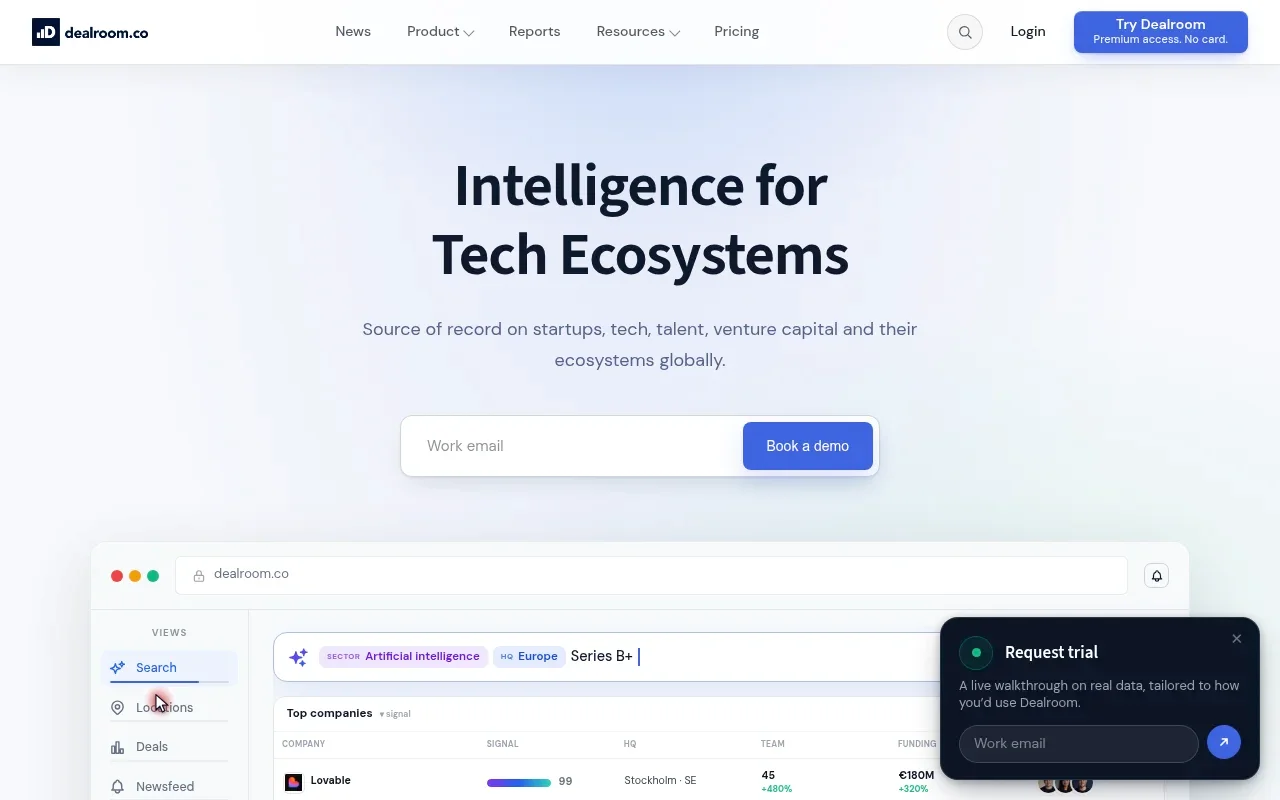
Dealroom focuses on European startup ecosystems and the investors behind them. You can filter investors by type, headquarters, portfolio industry and stage, and compare portfolio overlap between firms.
- Best for: founders raising in Europe and teams mapping regional ecosystems.
- Free option: limited public profiles for founders.
- Pricing: Premium starts at €12,600 per year with a three-seat minimum, according to its pricing page.
- Limits: the seat minimum makes it expensive for a solo founder raising one round.
6. PitchBook: Best Venture Capital Firms Database for Institutional Research
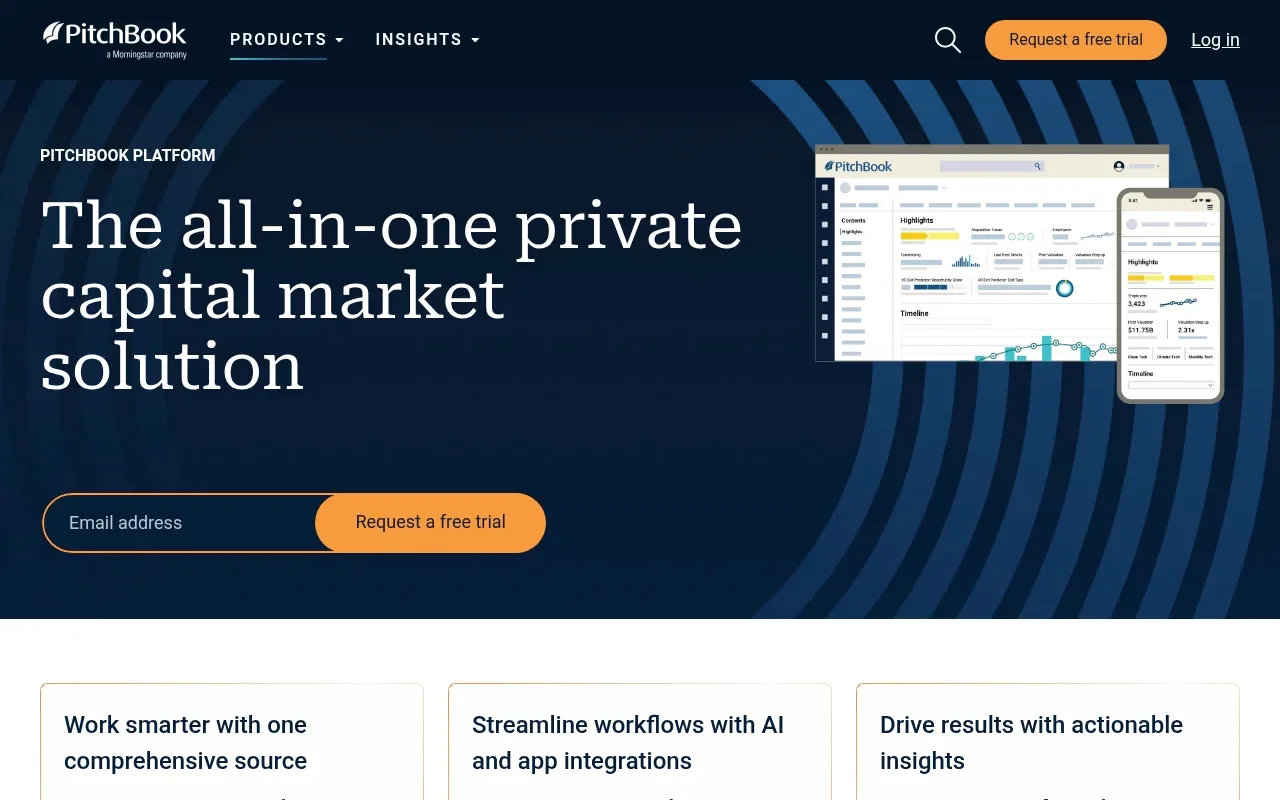
PitchBook is the standard database for private equity firms, investment banks and institutional LPs. It covers fund performance, LP commitments and deal terms in more depth than any other tool on this list.
- Best for: LPs and late-stage investors doing formal fund diligence.
- Free option: none.
- Pricing: custom, through a sales demo.
- Limits: the price and depth are far beyond what an early-stage founder needs to build an investor list.
How to Find VC Firms With a Free Venture Capital Database
You can build a solid investor list without paying for anything. Here is the process we recommend.
- Start with funds that just raised. Check the free preview on the New VC Funds page and subscribe to the EverythingStartups newsletter to get the latest funds every Friday.
- Widen the list with free directories. Add firms from OpenVC that match your stage and sector, and use Signal by NFX to see who in your network can introduce you.
- Confirm fund activity with SEC filings. US funds file a Form D with the SEC when they raise money. Search the fund's name on SEC EDGAR to see when it raised and how much it reported.
- Check each firm's website. Look at the team page, recent portfolio announcements and stated focus before you reach out, because database fields go out of date.
Free sources take more time, because you are stitching together several tools by hand. A paid venture capital database is worth it once you need contact details for dozens of partners, or when you want new funds in your sector without checking several sites every week.
Which Venture Capital Database Fits Your Role
- Founders raising pre-seed or seed: start with EverythingStartups for funds that just raised, then add OpenVC and Signal. Our list of top early-stage VC firms is a good next step, and our startup tools for fundraising guide covers the rest of your raise, from deck sharing to cap tables.
- VCs tracking competing funds: use EverythingStartups to see which funds launched recently in your sector, and Crunchbase to see who is backing the companies you want to invest in.
- LPs researching emerging managers: use EverythingStartups to find new managers early, then move to PitchBook and the GP's own documents for formal diligence.
If you also need company data, our comparison of the best startup and VC databases covers tools like Tracxn, Harmonic and Specter.
Frequently Asked Questions
What is a venture capital database?
A venture capital database is a searchable collection of VC firms and funds, with details like investment focus, stage, check size, portfolio companies and contact information. Founders use it to find investors, and VCs and LPs use it to track funds.
Is there a free venture capital database?
Yes. OpenVC and Signal by NFX are free, and the EverythingStartups New VC Funds page shows a free preview of the newest funds. SEC EDGAR is also free for checking when a US fund raised money.
What is the difference between a venture capital firms database and a venture capital funds database?
A firms database lists investment firms as organizations, such as Sequoia or a16z. A funds database tracks each individual fund a firm raises, with its size and close date. A funds database is more useful for fundraising, because it shows which firms have new money to invest right now.
How often should a venture capital database be updated?
At least weekly. New funds are announced every week, and partners change firms often, so a database updated once a quarter will send you to people who have moved on.
Which venture capital database is best for founders?
For most early-stage founders, a combination works best: a new-funds database like EverythingStartups for investors with fresh capital, plus OpenVC and Signal for wider coverage and introductions.
Find VC Funds That Are Investing Now
The best venture capital database for you is the one that shows investors who are actually writing checks at your stage. To see which VC funds raised new capital this week, explore the EverythingStartups New VC Funds Database.
Building a database or tool for founders? We update this list regularly and offer featured placements. Email hello@everythingstartups.com to have your product considered.